
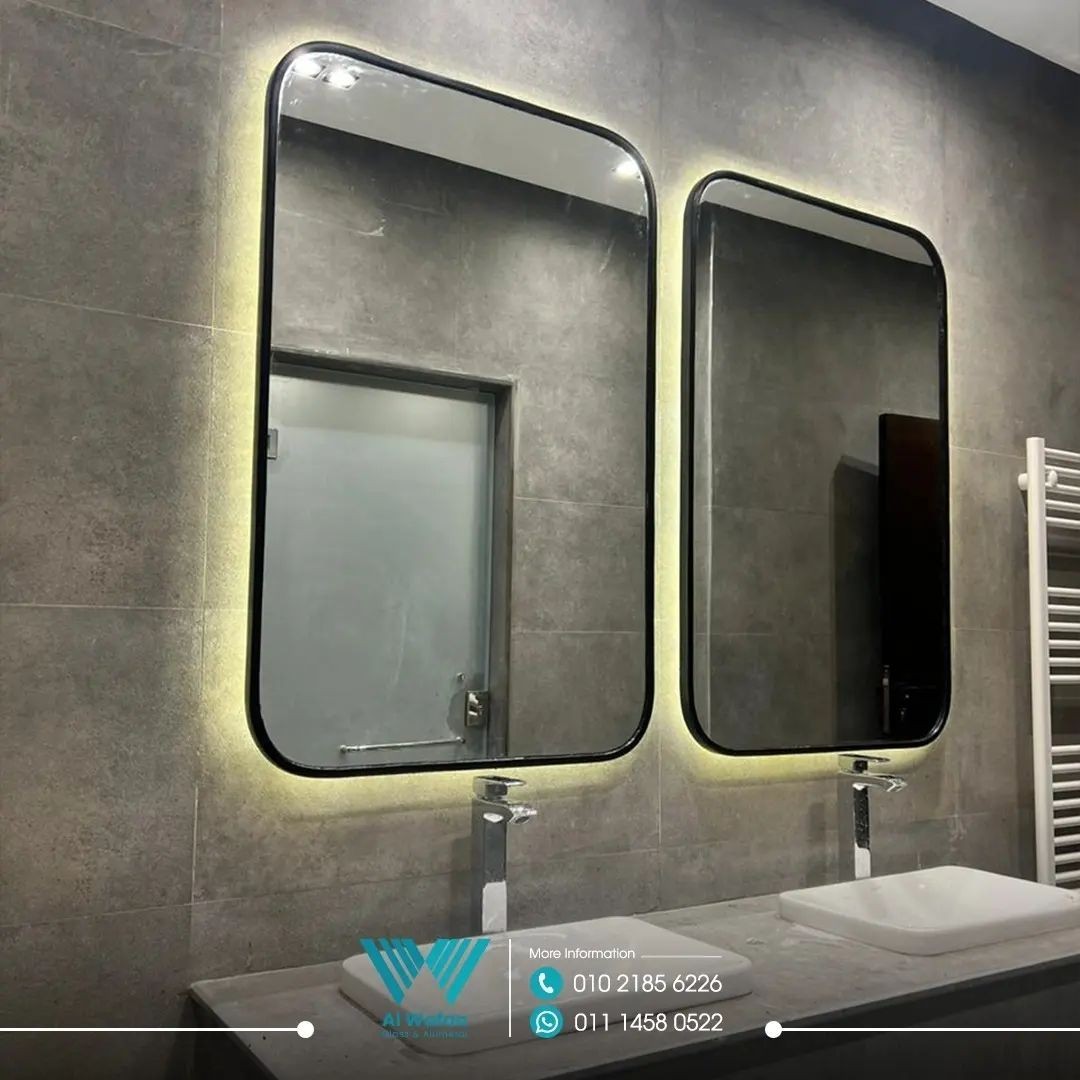
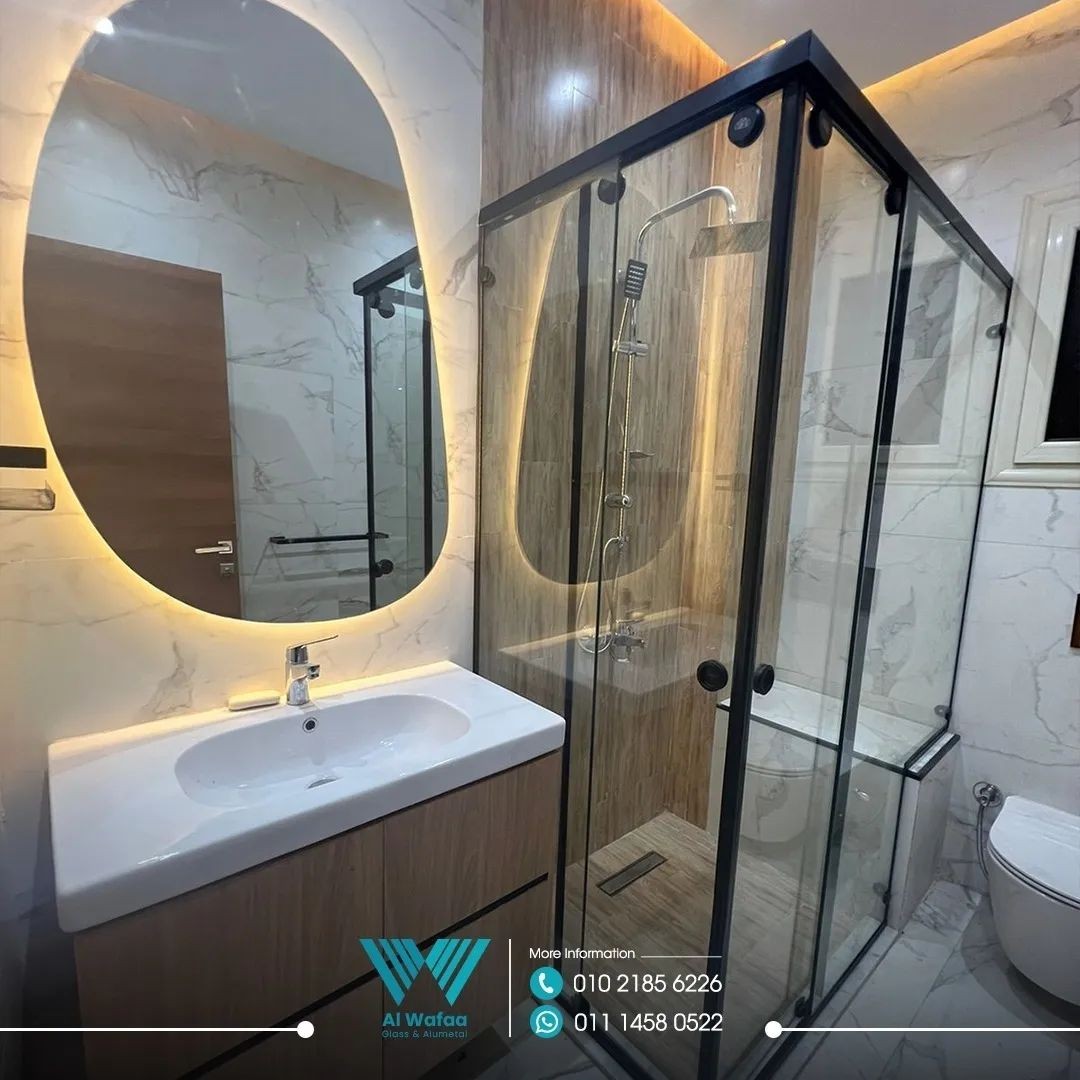
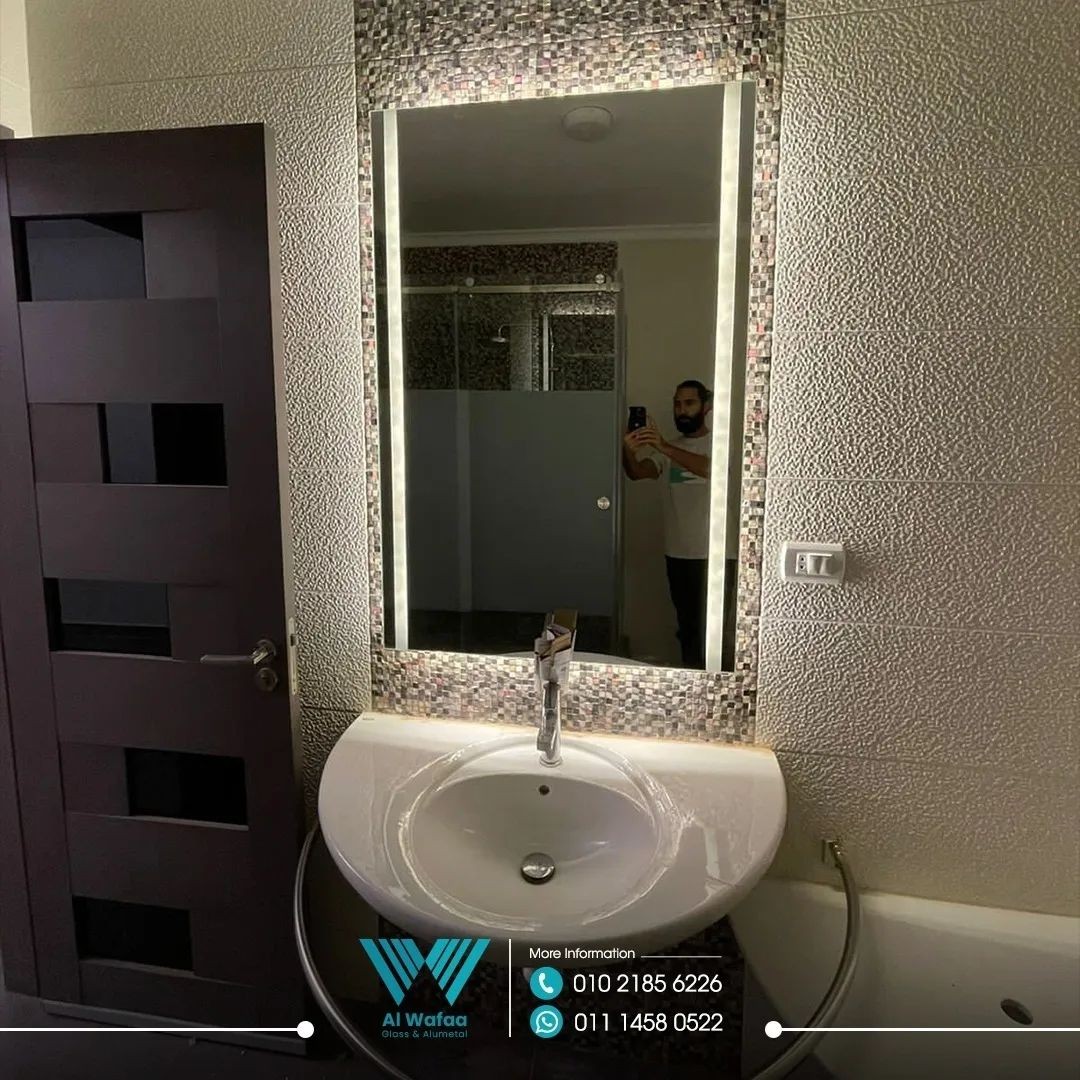
Mirrors
Elevate spaces with our elegant mirrors.
Glass mirrors:
They are pieces of glass covered with a reflective layer, usually aluminum or silver, which allows them to reflect light and create an image of what is facing them.
Types of glass mirrors:
Plane mirror: It is the most common type of mirror, and it reflects a true and accurate image of what is facing it.
Convex mirror: This mirror curves outward, giving it a wider field of view. They are often used in car side mirrors and retail stores.
Concave Mirror: This mirror curves inward, causing it to show an enlarged image of what is facing it. They are often used in endoscopes and medical mirrors.
Uses of glass mirrors:
Home Uses: Mirrors are used in homes for multiple purposes, such as personal care and home decoration.
Commercial Uses: Mirrors are used in stores, restaurants, and offices for multiple purposes, such as improving lighting, expanding space, and increasing security.
Industrial uses: Mirrors are used in various industries, such as the automobile industry, the eyewear industry, and the aerospace industry.
Features of glass mirrors:
Clarity: Glass mirrors provide a clear and accurate reflection of what is facing them.
Durability: Glass mirrors are made of durable materials that can last for many years.
Easy to clean: Glass mirrors can be easily cleaned with standard glass cleaner.
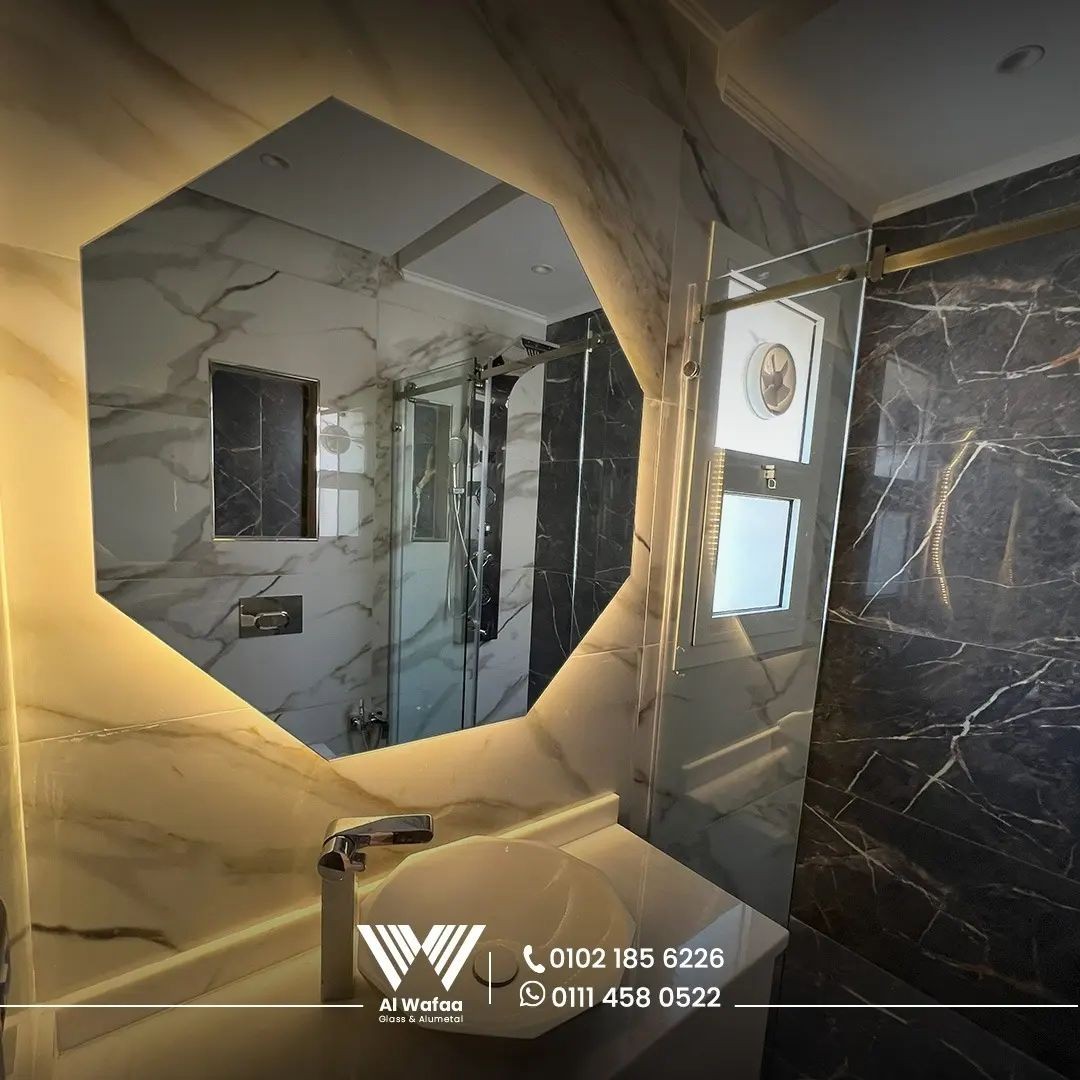
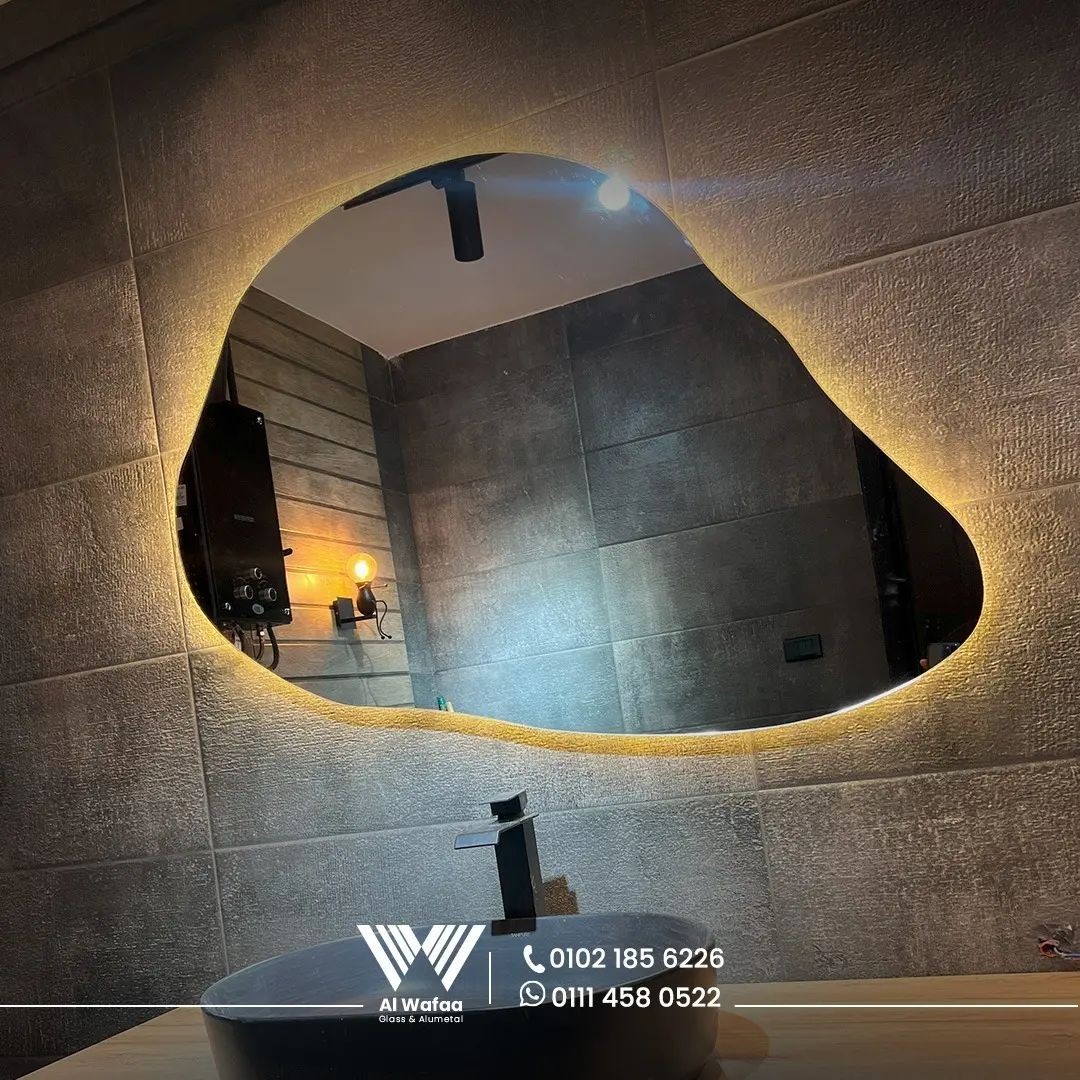
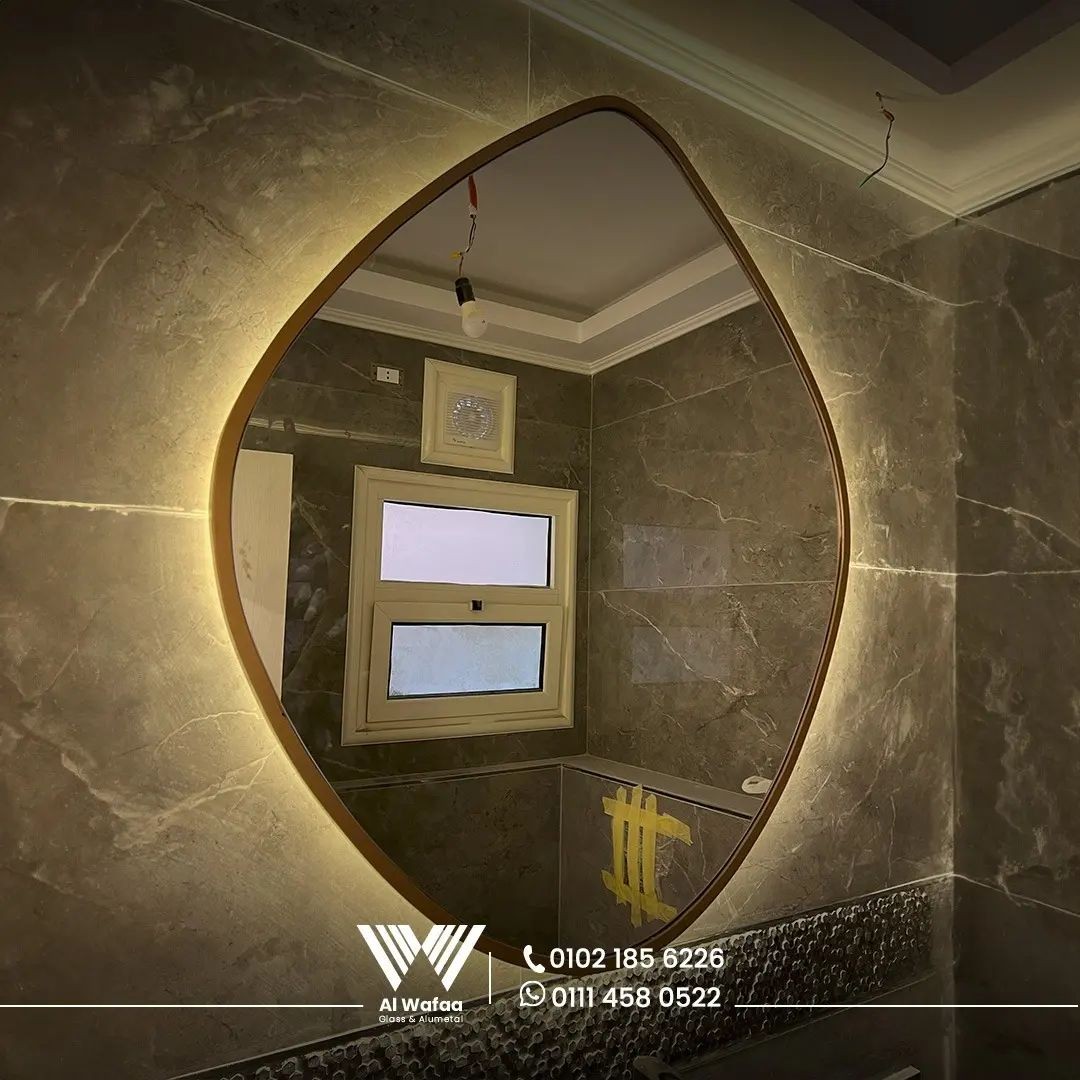
Diversity: Glass mirrors are available in different shapes, sizes, and colors to suit any decor.
Disadvantages of glass mirrors:
Fragility: Glass mirrors can break if dropped or hit hard.
Weight: Glass mirrors can be heavy, especially large mirrors.
Cost: Glass mirrors can be expensive, especially custom mirrors.
Overall, glass mirrors are a useful and versatile tool that can be used in a variety of applications.